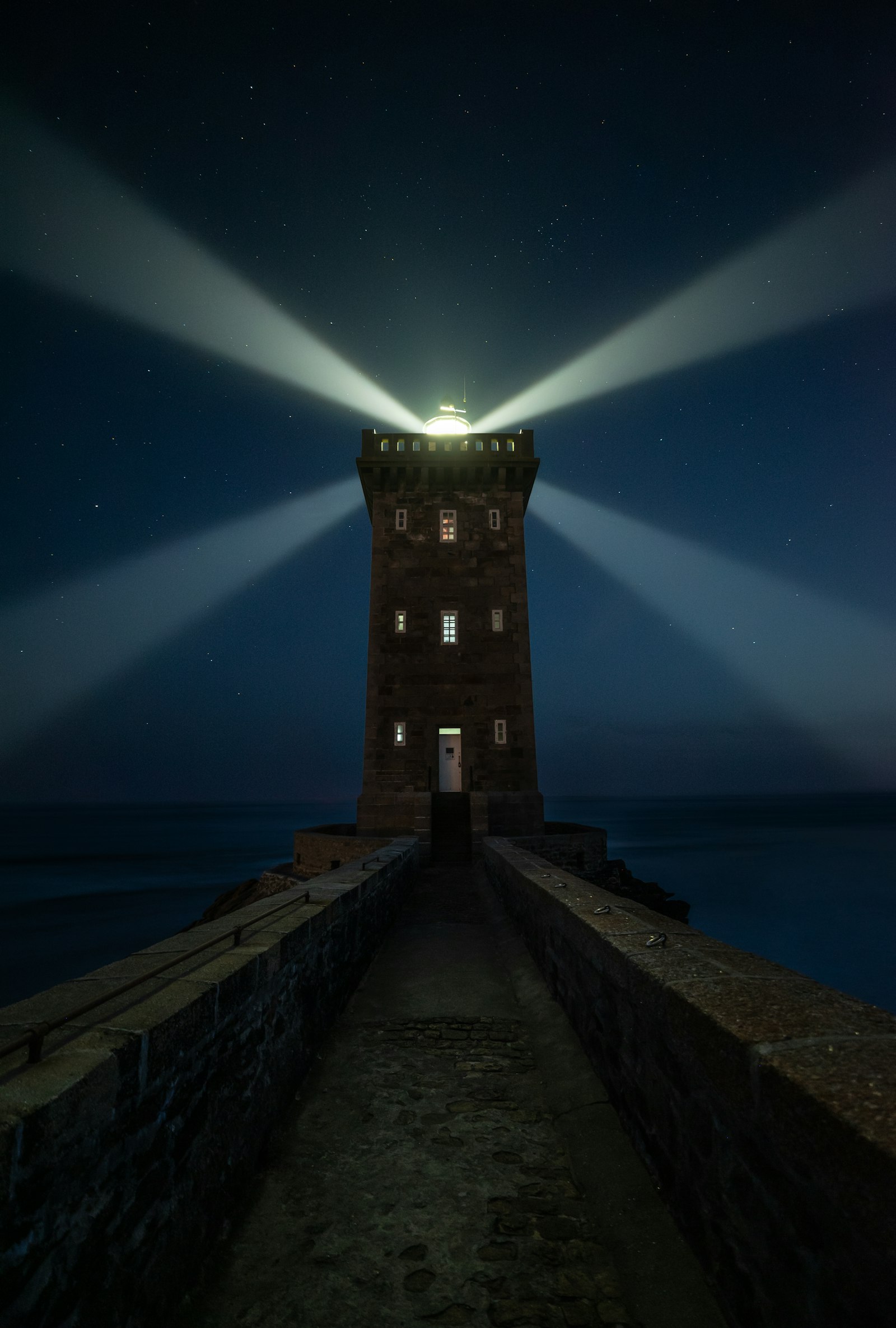
Our physical reality whispers an old secret… A secret older than the book of Genesis and far stranger than The Matrix theory: there is no matter. Only light. Not metaphorical light, not a mystical glow, but actual light—slowed, shaped, and woven into form. Physics insists this is true. Einstein showed us with his famous E=mc² that matter and energy are two sides of the same coin. The table you lean on, the chair you sit in, even your body are not as solid as they appear. They are energy condensed, what some physicists call “frozen light.” More recently, Dartmouth physicists have adapted this bold idea to propose that even the mysterious substance known as “dark matter” could be a kind of frozen light formed from high-energy, massless particles in the early universe. At the deepest level, reality is not brick and mortar, but a kind of luminous dance.
This idea has had a way of echoing outside the lab. The Matrix, for instance, spins the tale of a world that is not substance but signal. Its reality is code projected into human perception, a universe made of information. Strangely enough, this mirrors physics: beneath the surface, what we take as “real” is structured data, fields, and waves. Light here is not just energy but language, carrying the information that tells matter how to appear. The film may be fiction, but its logic resonates with a growing suspicion in philosophy and science alike: perhaps what we call the material world is more like a cosmic rendering, endlessly streaming.
And then there is Genesis. “And God said, ‘Let there be light,’ and there was light.” With those words, the ancient text claims light as the first act of creation, the spark that makes all else possible. It’s not simply about the sun or the stars—those come later in the story. Instead, light is the primal gift, the ordering principle, the very condition for anything to exist at all. Across traditions, light has always been more than a physical phenomenon. It is life, wisdom, spirit (pneuma)—the presence of something greater than ourselves.
Three languages—physics, philosophy, and scripture—converge on the same refrain: light is the foundation of reality. For science, matter is congealed light. For The Matrix, reality is information rendered as light and signal. For Genesis, light is the first word of creation. Though their expressions differ, all point toward the same shimmering truth: existence is not as heavy and solid as it appears. At its root, the universe glows.
Maybe that’s why we are drawn to light in all its forms. Even as the day slips away into night, there are those sunsets—not polite pastel skies, but those wild, molten spectacles that rip the heavens open, flooding the horizon in fire and gold. They dazzle us for a fleeting moment, then slip away. And when night finally settles in, the sky reveals its oldest secret: the endless dance of light and dark, stars burning across a canvas of shadow, each one a whisper from the universe that we are part of something vast, luminous, and fleeting. On some level, we recognize the mystery: everything we see, touch, and love is, in the end, a story of light versus dark—light becoming the world.


